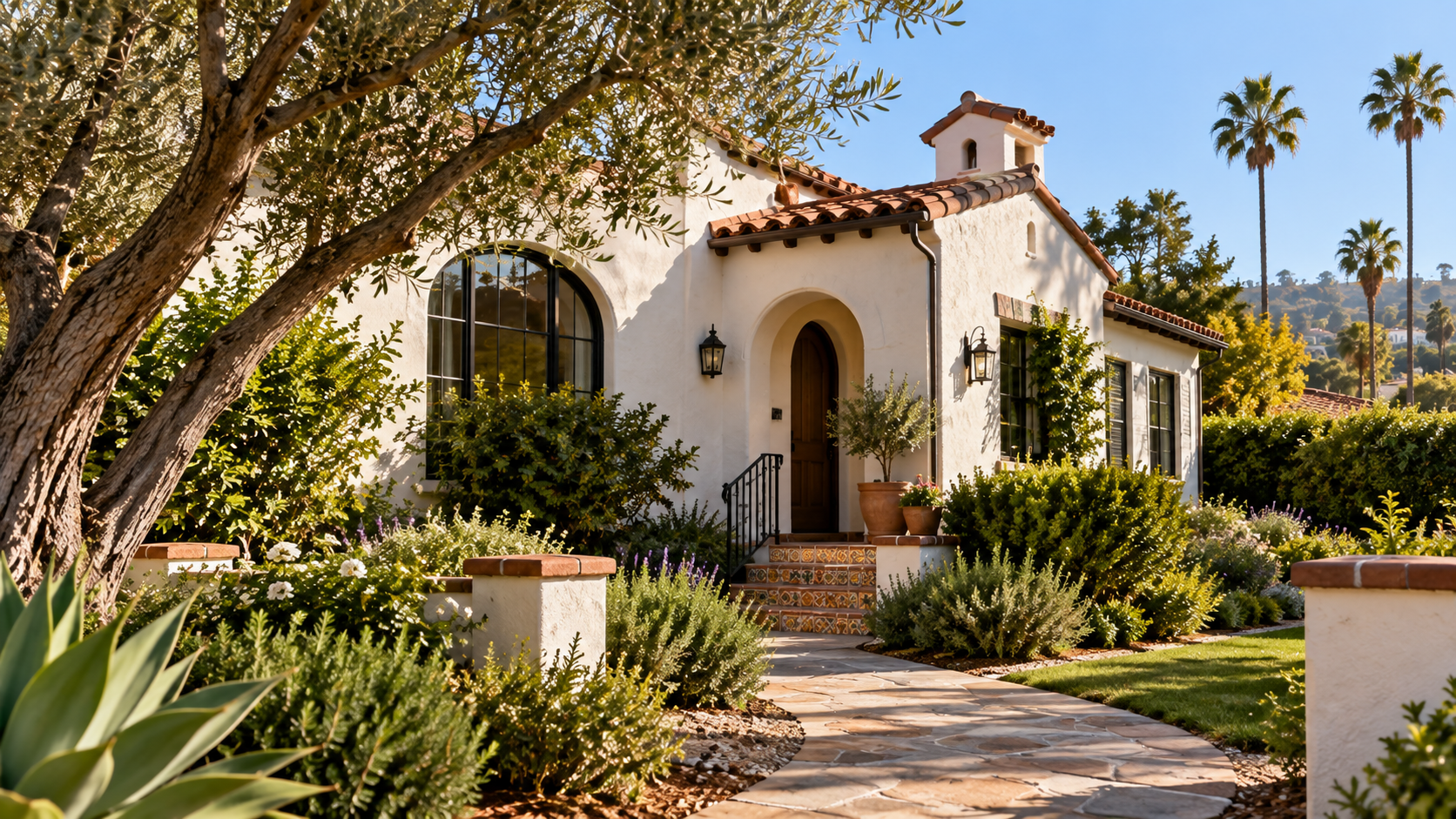
Older homes are part of the character of many Southern California neighborhoods. Properties built decades ago can offer established landscaping, distinctive architecture, mature residential settings, larger or unusually shaped lots, and details that may be difficult to find in newer construction. Age alone does not determine whether a home is a good purchase, but it can change the questions a buyer should ask while evaluating the property.
The condition of an older home depends on much more than the year it was built. Some properties have been carefully maintained and systematically updated, while others may contain a combination of original components, later renovations, additions, and repairs completed at different times. Buyers can benefit from looking beyond cosmetic appearance and developing a clearer understanding of the home’s construction, systems, maintenance history, and previous improvements before deciding how well the property fits their plans.
Look Beyond the Age of the Property
A construction date provides context, but it does not describe the current condition of a home. Two houses built in the same decade may be remarkably different after years of maintenance, renovations, repairs, and ownership. One may have newer roofing, plumbing, electrical components, windows, and mechanical equipment, while another may retain many original systems.
This is why buyers should avoid treating “older” as a condition category by itself. The more useful questions involve what remains original, what has been changed, when significant work was completed, and how the property has been maintained. Records, disclosures, visible conditions, inspections, and appropriate professional evaluations can help develop that picture.
Understand Which Systems Have Been Updated
Major home systems deserve particular attention because their remaining condition can affect both ownership responsibilities and future expenses. Plumbing, electrical components, heating and cooling equipment, roofing, water heaters, drainage, windows, and other systems may have been replaced or modified at different points during the life of the property.
An updated kitchen or bathroom does not necessarily mean the systems behind the finishes were replaced at the same time. Buyers should distinguish between cosmetic renovation and work involving the underlying components of the home. When documentation is available, permits, invoices, warranties, service records, and other information may help clarify when substantial work occurred and what it involved.
Pay Attention to Previous Renovations and Additions
Older Southern California homes have sometimes been modified repeatedly as the needs of their owners changed. Rooms may have been added, garages converted, walls moved, outdoor areas enclosed, or interior layouts reconfigured. Some changes can improve functionality considerably, but buyers should still understand what was altered and, when relevant, whether appropriate approvals or permits were obtained.
A renovation that looks attractive today may also have been completed many years ago. Materials, workmanship, building practices, and the condition of modified areas can therefore deserve the same scrutiny as original portions of the home. Buyers who have questions about previous work may need information from public records or appropriately qualified professionals rather than relying only on the property’s current appearance.
Evaluate the Layout for the Way You Actually Live
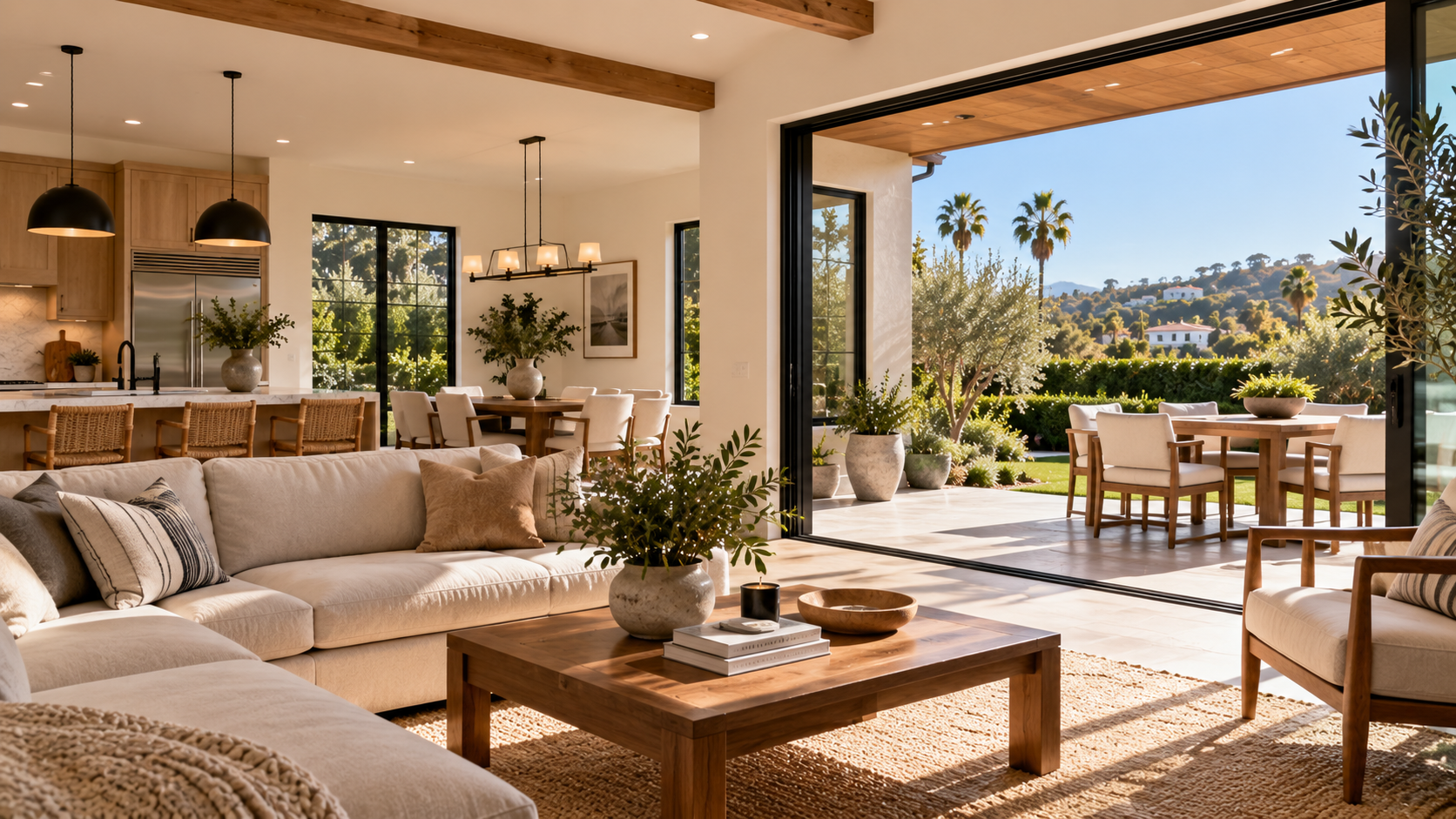
Older homes often reflect the expectations of the period in which they were constructed. Kitchens may be more separated from living areas, bedrooms may be smaller, storage may be limited, garages may accommodate different vehicle sizes, and the relationship between indoor and outdoor spaces may differ from more recent designs.
None of those characteristics automatically makes a layout undesirable. In fact, some buyers specifically prefer defined rooms and traditional architecture. The important question is whether the existing configuration works without requiring changes the buyer does not want to undertake. Before assuming that a wall can simply be removed or a room expanded, buyers should understand that structural, mechanical, permitting, and cost considerations may affect what is practical.
Inspect for More Than Cosmetic Wear
Fresh paint, flooring, landscaping, and updated fixtures can substantially change how an older property presents during a showing. Those improvements may be worthwhile, but they should not distract from the condition of less visible components.
A professional inspection can provide additional information about many aspects of a home, although the scope and limitations of an inspection should also be understood. Depending on the property, additional evaluation may be appropriate for roofing, foundations, drainage, electrical systems, plumbing, pools, chimneys, sewer or septic systems, hillside conditions, or other specialized areas. Buyers should base additional investigations on the characteristics and findings associated with the particular home rather than assuming every older property requires the same set of inspections.
Consider the Lot and Site Conditions
One advantage of some established Southern California neighborhoods is the variety of lots and settings. Older properties may have mature trees, substantial landscaping, hillside locations, larger yards, long driveways, retaining structures, pools, or outdoor improvements added over many years.
These characteristics can contribute significantly to a property’s appeal, but they can also introduce maintenance considerations. Mature landscaping requires care, drainage patterns can matter during periods of heavy rain, and hillside or retaining features may warrant closer attention depending on the property. Buyers should evaluate the land as part of the home rather than concentrating exclusively on the structure.
Review Insurance Early in the Process
Insurance considerations can vary by property and location, and buyers should avoid assuming that coverage will be identical to what they have encountered elsewhere. Construction characteristics, roof condition, previous claims, location, wildfire exposure, and other factors may affect availability or cost.
Obtaining appropriate insurance information early enough in the purchase process can help prevent surprises later. Buyers should speak directly with qualified insurance professionals about the property and the coverage they may require. General assumptions based on another home, even one nearby, may not accurately reflect the circumstances of the property being considered.
Think About Future Maintenance, Not Just Immediate Repairs
A property does not need to have a current defect for a component to deserve consideration. Buyers may encounter systems that are operating normally but are older, which can raise questions about future maintenance or replacement. Understanding those possibilities can help buyers think beyond the costs associated with completing the purchase itself.
This does not mean every aging component should be treated as an imminent expense. Useful life varies according to the system, material, installation, climate, maintenance, and other factors. The objective is simply to develop a realistic picture of the property and avoid assuming that a home requiring no immediate repairs will necessarily require little maintenance over the next several years.
The site’s Homeownership section covers maintenance, repairs, improvements, records, and other responsibilities that continue after a purchase is complete.
Compare the Home With Similar Properties
Older homes can be difficult to compare when nearby properties have undergone very different levels of renovation. A substantially remodeled home may sell differently from an otherwise similar property that retains more original finishes. Lot characteristics, location, architectural appeal, condition, and the quality of previous improvements can create additional differences.
Recent sales can provide useful context, but comparisons should account for these distinctions rather than relying only on square footage or bedroom count. The Property Value section provides more information about comparable sales and the factors that can influence how residential properties are evaluated.
Decide Whether the Home Fits Your Plans
An older property can be an excellent fit for a buyer who appreciates its location, architecture, lot, or existing character and is comfortable with the responsibilities that may accompany it. Another buyer may prefer a newer property with different systems, construction, or design. Neither choice is inherently better.
What matters is understanding the property before making that decision. Buyers should consider current condition, previous improvements, major systems, layout, site characteristics, insurance, and possible future maintenance together rather than focusing on age alone. A home that has existed for several decades has accumulated a history, and learning as much as reasonably possible about that history can make the purchase easier to evaluate.
Additional information about property searches, offers, inspections, financing, and closing is available in the Home Buying section.