Home maintenance is easier to manage when it is treated as a collection of smaller responsibilities rather than a list of projects that only receives attention when something goes wrong. Every property has components that gradually wear, collect debris, loosen, leak, fade, or simply require periodic service. Keeping an eye on those areas can help homeowners understand how their property is changing and identify issues before they become more difficult to address.
Southern California homes also face conditions that can make certain maintenance tasks especially relevant. Long dry periods, strong sunlight, seasonal rain, irrigation, landscaping, heat, coastal exposure in some communities, and hillside conditions can affect properties differently depending on their location and construction. There is no universal schedule that applies to every house, but homeowners can establish a practical routine based on the systems, materials, and outdoor features found on their own property.
Start With a Regular Walk Around the Property
One of the simplest maintenance habits is periodically walking around the interior and exterior of the home with the specific purpose of looking for changes. This does not require technical expertise. The goal is to become familiar enough with the property to recognize something that appears different from the last time it was checked.
Outside, homeowners can look at exterior surfaces, trim, windows, doors, walkways, landscaping, drainage areas, fences, gates, and visible roof components from the ground. Inside, it can be useful to look beneath sinks, around plumbing fixtures, near windows and doors, around appliances, and in areas where moisture or wear could develop. Small changes are easier to recognize when homeowners already know what those areas normally look like.
Keep Heating and Cooling Systems on the Maintenance List
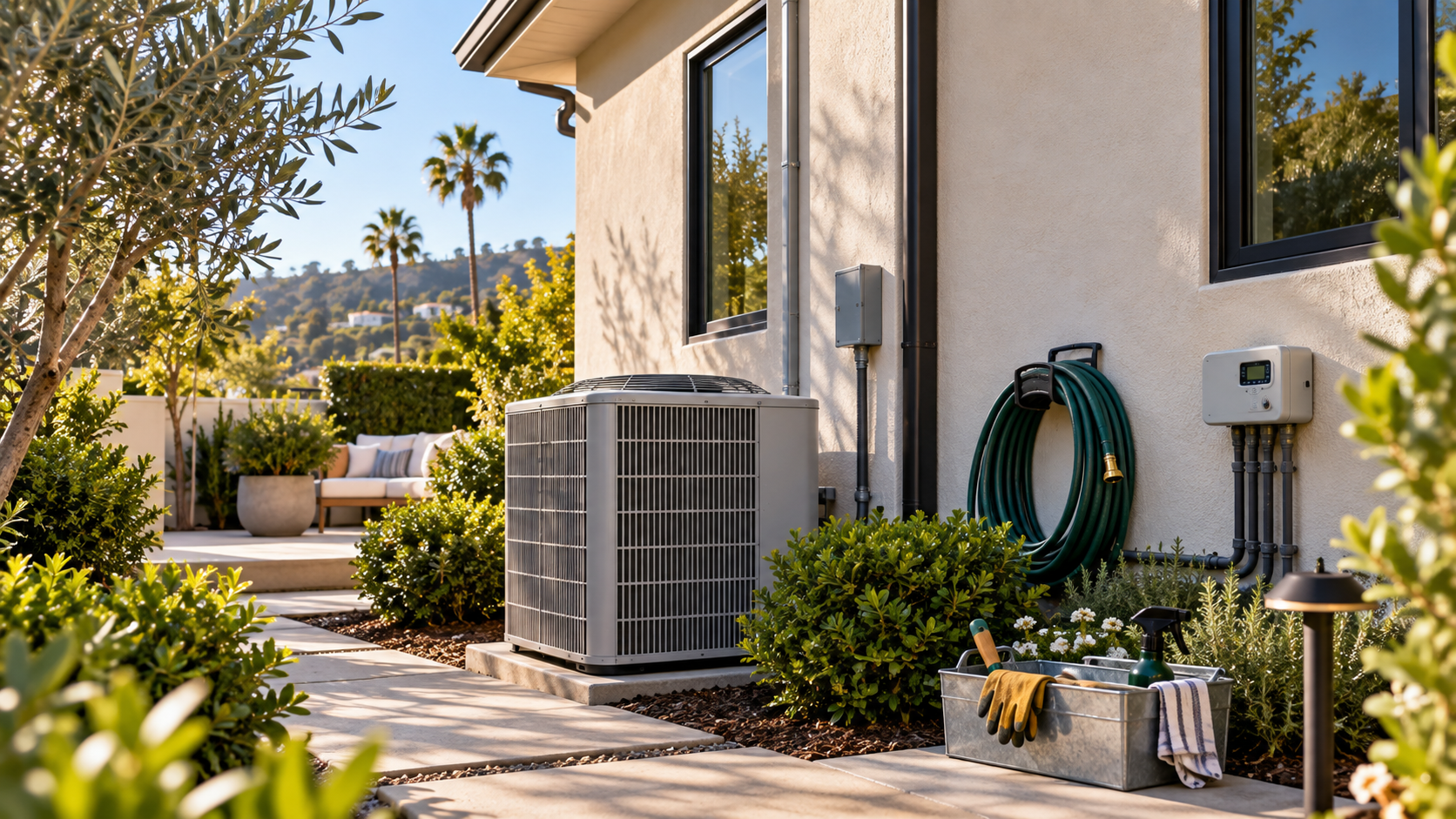
Heating and cooling equipment can operate for long periods without receiving much attention, particularly when everything appears to be working normally. Filters, vents, exterior equipment, thermostats, and professional servicing where appropriate can all be part of maintaining the system and understanding its condition.
The amount of use can vary significantly in Southern California. Inland and valley communities may experience extended periods of high temperatures, while homes closer to the coast can have different heating and cooling patterns. Equipment age, efficiency, installation, and the characteristics of the home also matter. Owners should follow applicable manufacturer recommendations and qualified professional guidance rather than assuming that every HVAC system requires the same service schedule.
Watch for Water Where It Should Not Be
Water related issues can develop gradually and may not immediately appear serious. A slow plumbing leak, damaged seal, irrigation problem, roof issue, or drainage condition can affect surrounding materials over time. Periodically checking areas where water is used or routed through the property can make it easier to notice staining, dampness, deterioration, unusual odors, or other changes.
Exterior drainage deserves attention as well, particularly before and during periods of rain. Water should have an appropriate way to move away from structures according to the property’s design. Gutters and drains where present, hardscape, grading, landscaping, irrigation, and other site characteristics can influence how water behaves around a home. Hillside properties and homes with retaining structures may involve additional considerations that warrant professional evaluation when concerns appear.
Maintain Landscaping With the House in Mind
Landscaping contributes significantly to the appearance and enjoyment of many Southern California homes, but plants and irrigation systems also interact with the property itself. Trees grow, roots expand, shrubs can reach exterior surfaces, and irrigation can place water in areas where it may not be desirable. Maintenance should therefore consider not only how landscaping looks but also how it relates to buildings, walkways, drainage, fences, and neighboring property.
Homeowners can periodically review irrigation for obvious leaks or overspray, trim vegetation where appropriate, and watch for branches or plants that have begun contacting structures. Larger trees may require qualified care rather than routine trimming, particularly when branches extend over buildings or other improvements. Landscaping needs vary considerably by property, so the objective is not to create a perfectly manicured yard but to prevent outdoor growth and watering systems from becoming avoidable maintenance problems.
Check Doors, Windows, and Exterior Openings
Doors and windows are used so frequently that gradual changes can be easy to overlook. Hardware can loosen, seals can deteriorate, screens can become damaged, and doors or windows may begin operating differently over time. Exterior openings can also be affected by sunlight, moisture, movement, and ordinary wear.
A periodic check can include making sure doors and windows open and close properly, looking at visible seals and surrounding materials, and noting signs of deterioration that may require repair. Garage doors, exterior gates, and other frequently used moving components can be included in the same routine. When repairs involve specialized systems or safety components, appropriate professional service is preferable to attempting work without the necessary knowledge.
Pay Attention to Exterior Surfaces
Southern California sunlight can be demanding on exterior finishes. Paint, wood, sealants, trim, decking, and other exposed materials may gradually fade or deteriorate depending on orientation, material, weather exposure, and maintenance history. Homes near the coast may encounter different environmental conditions from properties farther inland.
Checking exterior surfaces periodically can help owners recognize when ordinary aging is beginning to require attention. Cracking, peeling, separation, discoloration, or deterioration does not always indicate a major problem, but changes can provide a reason to look more closely. Addressing maintenance based on the material and underlying cause is generally more useful than simply covering visible wear without understanding why it developed.
Remember the Less Visible Parts of the Home
Some important components are easy to forget because homeowners rarely interact with them directly. Water heaters, electrical panels, attic spaces where accessible, exhaust vents, smoke and carbon monoxide alarms, plumbing shutoffs, and other equipment may remain unnoticed until something requires attention.
Owners should know where important controls and shutoffs are located and keep appropriate manufacturer information or service records available. Safety equipment should be maintained according to applicable instructions and requirements. When electrical, gas, structural, roofing, or other specialized work is involved, homeowners should use appropriately qualified professionals rather than treating a general checklist as a substitute for technical evaluation.
Keep Records of Maintenance and Repairs
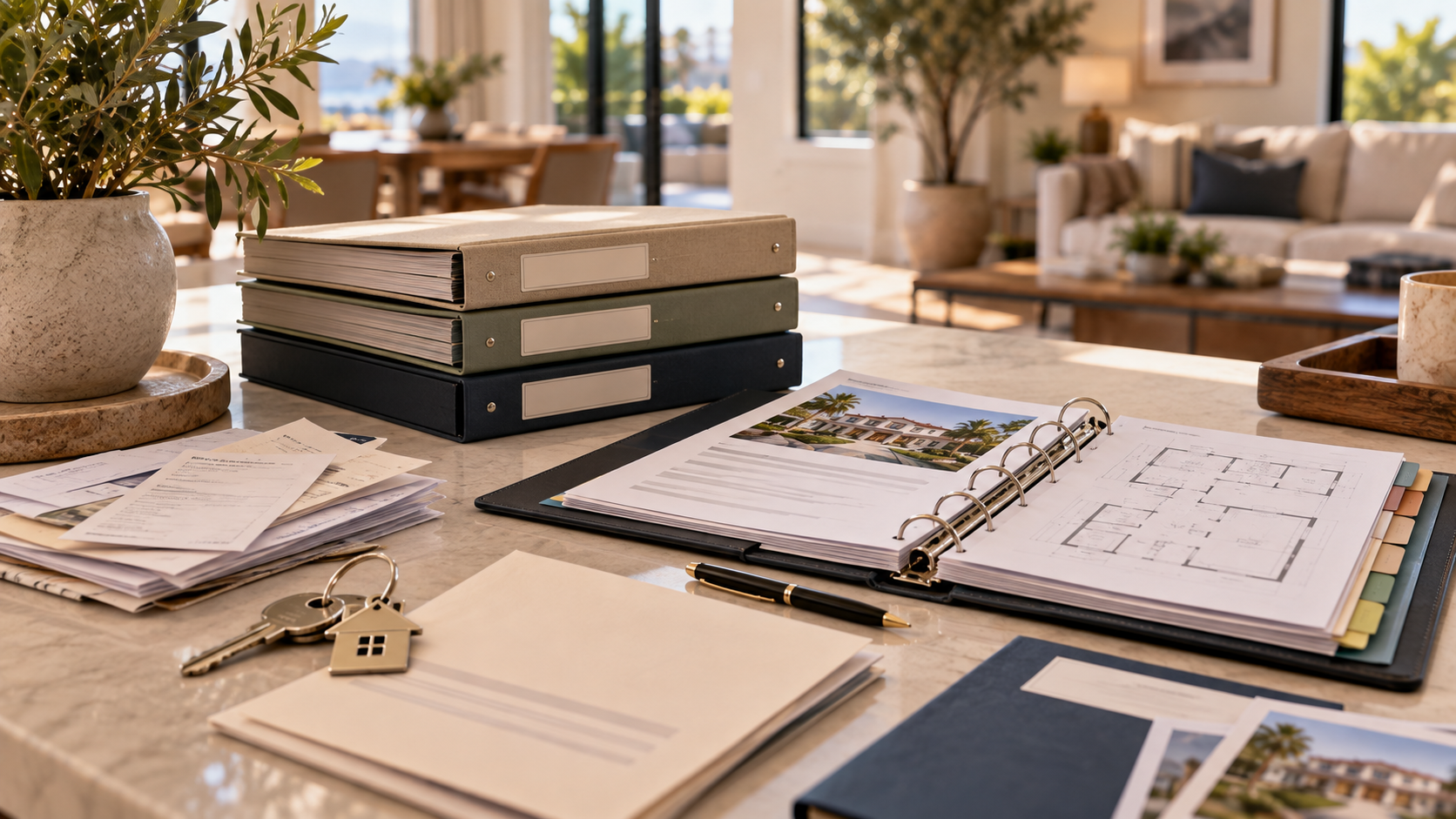
Maintenance becomes easier to understand over several years when homeowners keep basic records. Service dates, receipts, warranties, photographs, contractor information, replacement dates, and notes about significant repairs can create a useful history of the property. This can be particularly valuable for systems that may only require attention every few years.
Records can also help distinguish recurring issues from isolated ones. If the same component has required several repairs, having previous information available can provide context when deciding what to do next. The Homeownership section covers additional subjects related to maintaining residential property, improvements, ongoing expenses, and the responsibilities that continue after a purchase is complete.
Adjust Maintenance to the Property and the Season
A checklist should provide structure without becoming rigid. A condominium, hillside residence, older single family home, recently constructed property, and house with a pool or extensive landscaping will each have different maintenance needs. Even neighboring properties can require different routines because of construction, orientation, equipment, vegetation, and previous improvements.
Seasonal conditions can also affect priorities. Before periods of rain, drainage and exterior conditions may deserve additional attention. Hotter months can place greater demands on cooling systems and landscaping. Periods of less intensive use may provide an opportunity to address maintenance that has accumulated elsewhere. Instead of attempting to complete every possible task on the same schedule, homeowners can build a routine around the characteristics of their particular property.
Know When a Professional Should Take Over
Routine observation and simple upkeep can help homeowners understand their property, but some work requires specialized knowledge, equipment, licensing, or safety precautions. Electrical systems, roofing, structural concerns, gas equipment, major plumbing problems, heating and cooling repairs, tree work, and other technical areas may require qualified professionals.
Knowing when not to perform a repair can be just as important as knowing what needs attention. If a homeowner is uncertain about the significance of a condition or how work should be completed, professional evaluation can provide more reliable information than attempting to diagnose the issue based solely on general guidance found online.
Building a Manageable Home Maintenance Routine
Maintaining a home does not require constantly searching for problems. A more practical approach is to become familiar with the property, periodically look for changes, keep major systems and outdoor areas on a reasonable maintenance schedule, and maintain records of important work. Over time, this creates a clearer understanding of which components are aging normally and which may deserve closer attention.
For homeowners thinking about how maintenance and condition can influence the way a property is evaluated, the Property Value section provides additional information about condition, improvements, comparable sales, and other factors associated with residential value. More material covering buying, selling, ownership, and Southern California housing is available through Real Estate Resources.