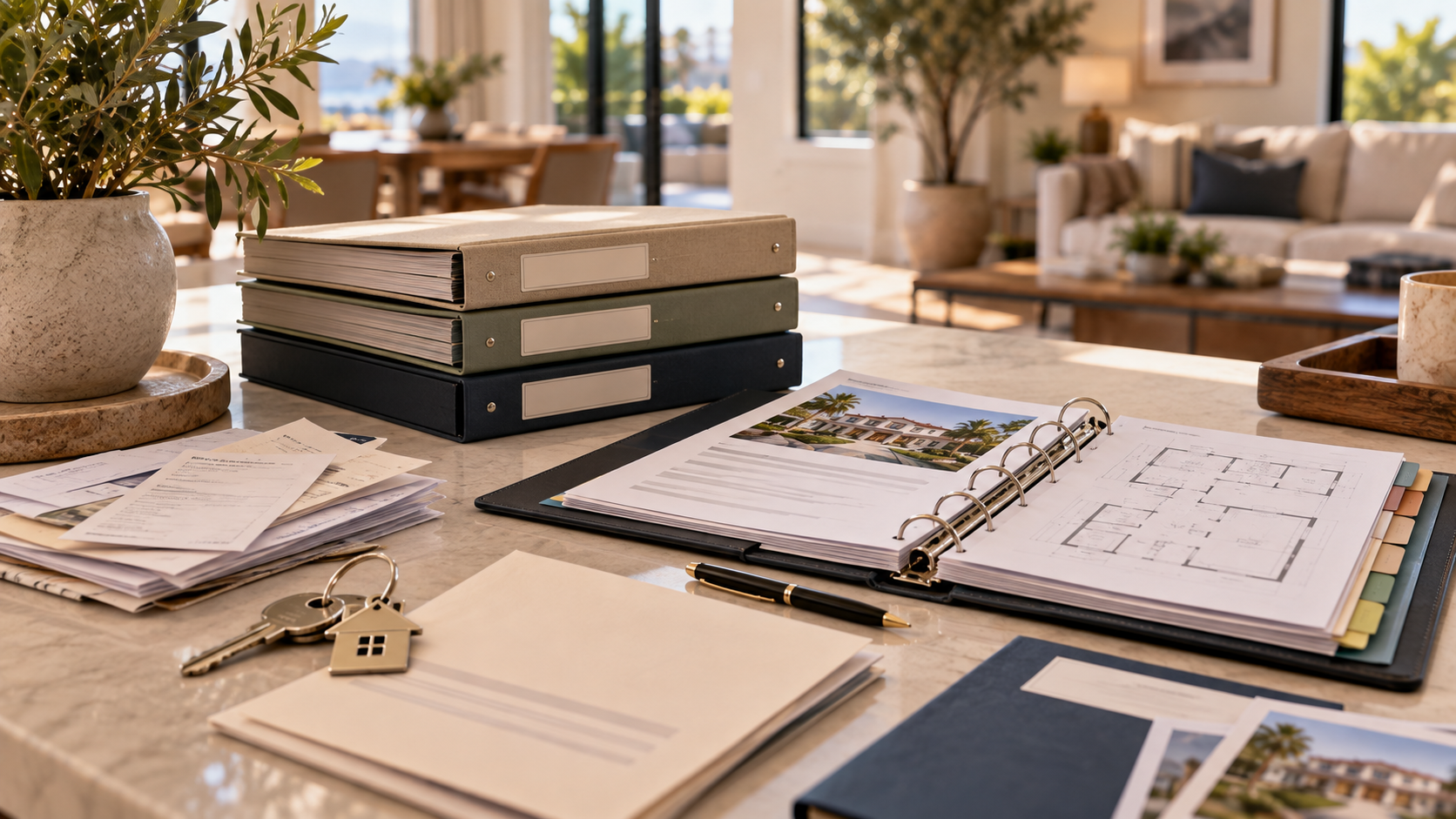
Receiving the keys to a new home can feel like the end of a long process, but in many ways it marks the beginning of a different one. Once the purchase has closed, attention shifts away from offers, inspections, financing, and closing documents and toward maintaining the property itself. Homeowners become responsible for understanding how the home’s systems operate, keeping up with routine maintenance, planning for repairs, organizing important records, and making decisions about improvements over time.
Those responsibilities can be particularly varied in Southern California, where properties range from condominiums and newer construction to older Los Angeles homes, hillside residences, and houses with pools or extensive outdoor areas. There is no single maintenance schedule that fits every property. A useful starting point is learning the characteristics of the particular home you purchased and establishing a manageable approach to caring for it before small issues become larger ones.
Learn the Property Before Making Major Changes
It is common for new homeowners to begin thinking about improvements almost immediately. Paint colors, flooring, landscaping, furniture placement, kitchens, bathrooms, and outdoor spaces can all become projects before the moving boxes have disappeared. Unless a repair requires immediate attention, however, spending some time living in the property can provide useful information about which changes will actually improve the way the home functions.
Daily use can reveal things that were difficult to recognize during showings. Natural light may affect rooms differently throughout the day, traffic through the home can change how a layout feels, and outdoor areas may be used differently than originally imagined. Heating and cooling patterns, storage needs, noise, privacy, irrigation, and even the way sunlight reaches landscaping can become clearer after several weeks or months. Waiting before undertaking certain discretionary projects can help homeowners distinguish between changes they genuinely need and ideas that were primarily based on first impressions.
Understand the Major Systems in the Home
A homeowner does not need to become an expert in plumbing, electrical work, roofing, or heating and cooling, but knowing the basic components of the property can be valuable. New owners should know where important shutoffs and controls are located, how major equipment is operated, and which systems may require routine servicing. Information from the purchase inspection can also provide a useful starting point for identifying components that were older or already showing signs of wear when the property was purchased.
Maintenance becomes easier to plan when homeowners understand approximately what is in the house and its current condition. A roof, water heater, HVAC system, electrical panel, plumbing system, appliances, windows, and other components do not all require attention at the same time, but eventually many will need service, repair, or replacement. Keeping basic information about installation dates, previous repairs, warranties, and professional service can create a useful history of the property and reduce the amount of guesswork when an issue develops later.
Establish a Routine for Preventive Maintenance
Some of the least exciting parts of homeownership can also be among the most useful. Cleaning gutters where applicable, replacing filters, checking visible plumbing for leaks, maintaining heating and cooling equipment, monitoring drainage, inspecting exterior surfaces, servicing appropriate equipment, and keeping landscaping away from areas where it could cause damage are examples of relatively ordinary tasks that can help owners notice changes in the property.
The appropriate schedule depends on the home and its components, so homeowners should rely on manufacturer guidance and qualified professionals where necessary rather than assuming every property requires the same maintenance. The larger principle is simply to avoid treating the house as something that only receives attention when a problem becomes obvious. Periodically looking at the condition of the property can make it easier to identify gradual deterioration and plan for work instead of responding only when something fails.
Pay Attention to Water and Drainage
Water deserves particular attention because moisture can affect many parts of a home without immediately producing a dramatic warning sign. Plumbing connections, roofs, windows, exterior surfaces, irrigation, drainage, and areas around appliances can all be worth observing periodically. A small leak or drainage issue may be relatively manageable when identified early but can become more complicated if it continues unnoticed.
Southern California homeowners should also understand how water moves around the exterior of their particular property. Hillside conditions, grading, hardscape, gutters, drains, retaining walls, irrigation, and landscaping can interact differently from one lot to another. The objective is not for homeowners to diagnose technical problems themselves. It is to become familiar enough with the property to recognize when something appears to have changed and when professional evaluation may be appropriate.
Keep Important Property Records Organized
A home gradually develops a history after it is purchased. Repairs are completed, appliances are replaced, rooms may be renovated, landscaping changes, and contractors may perform work on different parts of the property. Keeping records of those activities can be useful both for managing the home and for remembering exactly what was done several years later.
A simple property file can include inspection reports, closing documents, warranties, manuals, receipts for significant repairs, contractor information, improvement records, permits where applicable, insurance information, and notes about major equipment. Digital copies can make these materials easier to retrieve when needed. Documentation may also become useful if the property is eventually sold, particularly when questions arise about improvements or the history of major components.
Plan for Repairs That Will Eventually Happen
Even a well maintained home will require repairs. Components wear out, finishes deteriorate, appliances fail, and unexpected issues occasionally arise. Because the timing is difficult to predict, homeownership is easier to manage when maintenance and repairs are treated as normal long term expenses rather than unusual events.
The amount an owner should reserve depends heavily on the property. An older house with several aging systems may present a different financial picture from a newer condominium where some exterior responsibilities are handled by an association. Pools, extensive landscaping, larger lots, older roofs, specialized equipment, and other characteristics can also affect ongoing costs. Rather than relying on a universal percentage or formula, homeowners can use the known condition and characteristics of their own property to begin anticipating which expenses may arise.
Approach Improvements With a Longer View
Home improvements can serve many purposes. Some address necessary repairs, others improve comfort or functionality, and some are primarily aesthetic. It can be helpful to understand the reason for a project before deciding how much to spend or assuming the improvement will produce a particular increase in property value.
Owners who expect to remain in a home for many years may reasonably make choices based largely on their own needs and preferences. Someone considering a sale in the foreseeable future may weigh those decisions differently. Either way, cost does not automatically equal added market value. The relationship between improvements, condition, location, and buyer expectations is discussed further in the Property Value section.
Review Insurance and Other Ongoing Responsibilities
Insurance is another part of the property that should not simply disappear into a file after closing. Coverage needs can change as improvements are made, possessions change, or circumstances surrounding the property evolve. Homeowners should understand the coverage they have, the applicable deductibles, and any questions that may need to be discussed with an insurance professional.
Other responsibilities depend on the property. A condominium or planned community may involve homeowners association requirements, while a single family residence may place more maintenance responsibility directly on the owner. Property taxes, utilities, landscaping, pool service, pest management, security systems, and other recurring costs may also become part of the household budget. Understanding these obligations together can provide a more realistic picture of ownership than focusing only on the mortgage payment.
Give the Home Time to Become Familiar
One of the most useful things a new homeowner can do is become familiar with the property gradually. Houses change with weather, seasons, maintenance, and everyday use. A sound that seemed unfamiliar during the first week may turn out to be ordinary, while a small change in another area may deserve attention. Experience with the property makes those distinctions easier.
That familiarity can also lead to better decisions about future improvements. Once homeowners understand which rooms they use most, where storage is inadequate, how outdoor areas function, and which systems require attention, projects can be prioritized based on actual experience rather than assumptions made immediately after closing. For readers still working through the purchase itself, the Home Buying guide covers the earlier stages from preparation and property comparison through inspections, financing, and closing.
Building a Practical Approach to Homeownership
Owning a home involves an ongoing combination of maintenance, planning, recordkeeping, repairs, and occasional improvements. None of these responsibilities needs to be addressed all at once. Learning the property, keeping useful information organized, establishing basic maintenance habits, and preparing for future expenses can make the transition from buyer to homeowner more manageable.
As ChristineAgopian.com develops, the Homeownership section will serve as the central reference for material about maintaining and improving residential property after a purchase. Additional information covering home buying, selling, property value, and Southern California housing is available through Real Estate Resources.