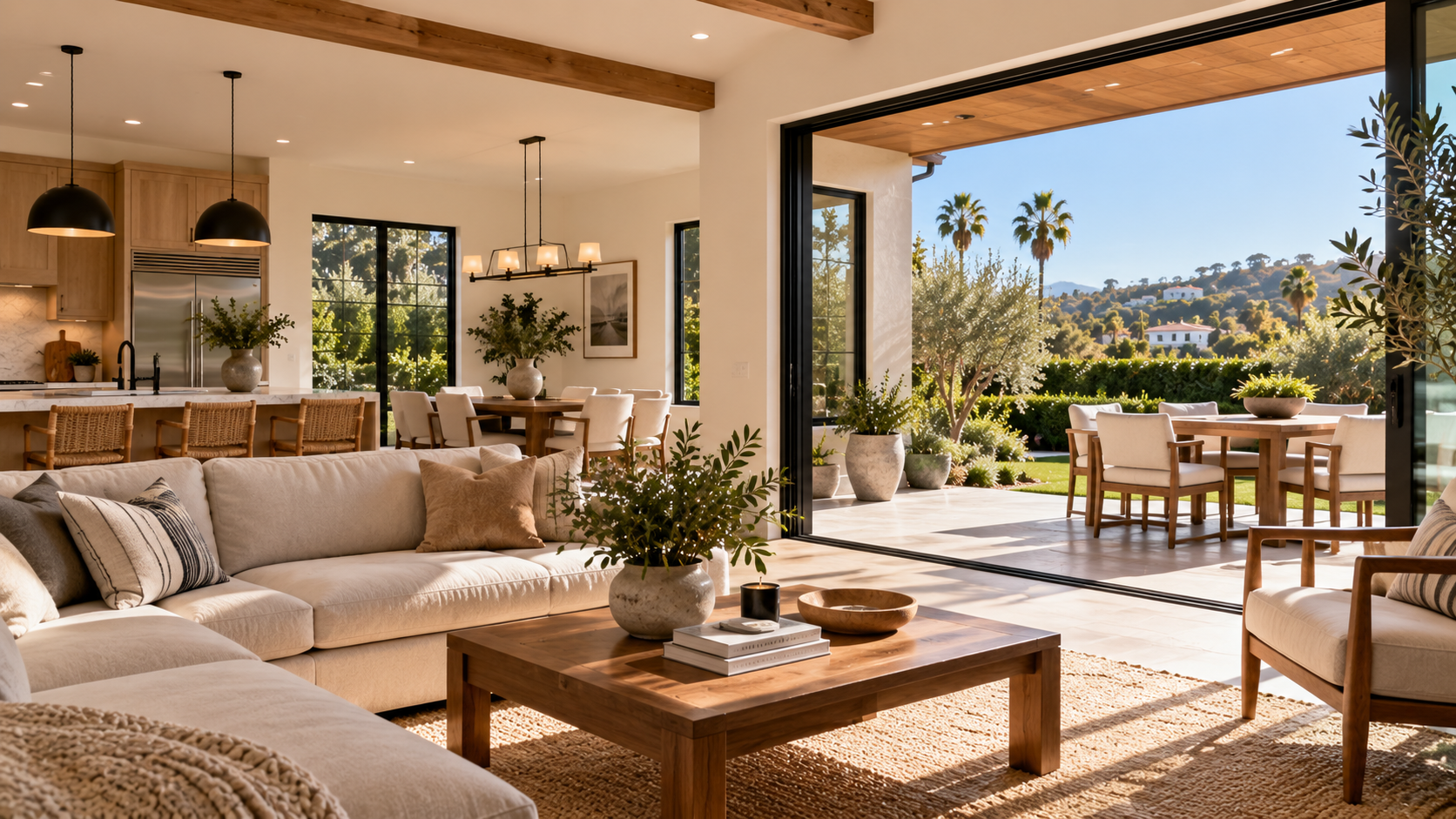
Buying a home in Southern California can involve much more than deciding whether a property has enough bedrooms, the right layout, or an appealing backyard. Location, property condition, neighborhood characteristics, insurance considerations, renovation history, outdoor space, and even the way a home sits on its lot can affect how well it fits a buyer over time.
The region also contains a wide variety of housing. A hillside property may raise different questions than a condominium, an older home in an established Los Angeles neighborhood, or a newer residence in a planned community. Looking carefully at both the house and its surroundings can help buyers move beyond first impressions and make a more informed comparison.
Start With How the Home Fits Your Daily Life
It is easy to become focused on individual property features during a home search. An updated kitchen, large primary bedroom, swimming pool, or attractive view can immediately stand out. Those features matter, but the way a home functions from day to day deserves just as much attention.
Think about the spaces you are likely to use most often. Consider whether the floor plan provides enough separation or openness for your household, where vehicles will be parked, how groceries will get from the car to the kitchen, whether outdoor areas are practical to maintain, and how storage is distributed throughout the property.
A home that photographs beautifully may not necessarily work well for the way you live. Taking time to imagine ordinary routines inside the property can reveal advantages or limitations that are easy to overlook during a showing.
Pay Attention to the Location Beyond the Address
Southern California neighborhoods can change considerably within relatively short distances. Two properties located only a few miles apart may offer different street settings, traffic patterns, housing styles, lot sizes, access points, and relationships to nearby commercial areas.
Visit the surrounding streets rather than evaluating the property in isolation. The amount of traffic at different times of day, nearby construction, parking conditions, surrounding property uses, and access to the places you regularly visit can all affect the experience of living there.
For buyers comparing communities across the Los Angeles area, this broader view of location can be particularly useful. The house is only one part of the purchase. The immediate surroundings become part of everyday life once the transaction is complete.
Look Closely at Property Condition
Cosmetic improvements can make a home feel fresh without necessarily revealing much about its underlying condition. New flooring, paint, fixtures, or landscaping may improve presentation, but buyers should still pay attention to the major components of the property.
Roofing, plumbing, electrical systems, heating and cooling equipment, drainage, windows, foundations, and other structural or mechanical elements can differ significantly in age and condition. Older Southern California homes may also have undergone additions or renovations at different points in their history.
This does not mean that an older property or a home requiring work should automatically be avoided. It means buyers should understand what they are considering purchasing and obtain appropriate inspections and professional evaluations when needed.
The broader Home Buying guide explains how inspections fit into the purchase process along with offers, financing, appraisal, and closing.
Consider the Lot as Carefully as the House
The property surrounding a home can be easy to treat as secondary, particularly when the interior makes a strong impression. In Southern California, however, lot characteristics can play an important role in how a property functions.
Slope, drainage, retaining walls, landscaping, privacy, driveway access, neighboring properties, outdoor living areas, and the orientation of the home can all deserve attention. Hillside properties may present considerations that are different from homes on flatter residential lots, while properties with extensive landscaping or pools can carry additional maintenance responsibilities.
Sun exposure can matter too. The orientation of windows and outdoor areas may affect natural light, interior temperatures, landscaping, and how patios or yards are used at different times of day.
Think About Improvements Before Assuming You Will Make Them
Buyers often walk through a property already imagining what they would change. A wall could be removed, a kitchen could be expanded, an outdoor area could be redesigned, or an additional room might appear possible.
Those ideas can be useful, but it is worth separating what seems possible from what is practical. Renovations may involve permits, structural considerations, building requirements, contractor availability, cost, and other limitations. Homeowners associations may also have rules affecting certain properties.
If a planned improvement is important to the decision to purchase, gathering more information before relying on that possibility can prevent an assumption from becoming an expensive surprise later.
Compare Value, Not Just Asking Price
Price is one of the easiest characteristics to compare because it appears directly in the listing. Determining how two homes compare in value requires a wider view.
Size, condition, location, lot characteristics, renovations, parking, views, property type, and recent comparable sales may all contribute to how a property is positioned within its market. A lower-priced home requiring significant work may not necessarily represent better value than a more expensive property in stronger condition.
Buyers interested in this part of the decision can read more about the factors commonly associated with Property Value.
Do Not Let a Competitive Market Eliminate Careful Review
When desirable homes receive attention quickly, buyers can feel pressure to make decisions faster than they expected. That makes preparation especially important.
Knowing your priorities before beginning the search can make it easier to distinguish between a property that genuinely meets your needs and one that simply creates a sense of urgency. Financial preparation, familiarity with the purchase process, and a clear understanding of which features are essential can also make decisions more manageable when timing becomes important.
Moving efficiently does not have to mean ignoring questions. A residential purchase is significant enough that understanding the property and the terms of the transaction remains important even when the market is active.
Look Beyond the Day You Receive the Keys
A purchase decision is ultimately about living with the property after the transaction has ended. Maintenance, repairs, insurance, utilities, landscaping, improvements, and other responsibilities become part of owning the home.
It can therefore be useful to consider not only whether you can purchase a particular property, but whether its ongoing requirements fit your plans. A large yard, pool, older building systems, extensive landscaping, or other features may be desirable while also requiring additional time and expense.
Our Homeownership section covers subjects that become more relevant after a purchase is complete.
Taking a More Complete Look at a Southern California Home
A successful property search is not simply about finding the home with the longest list of desirable features. It is about understanding how the property, location, condition, cost, and responsibilities of ownership fit together.
Southern California’s variety of homes and neighborhoods makes that broader evaluation particularly useful. Taking the time to examine both the appealing features and the less obvious details can help buyers compare properties with greater clarity and arrive at a decision based on more than the first impression.
For additional information about buying, selling, property value, and residential ownership, visit the Real Estate Resources section of ChristineAgopian.com.